
In This Article
Are you struggling to figure out what kind of waste you’re dealing with and how to dispose of it properly? With so many different types like organic, hazardous, and recyclable waste, it can be confusing.
Knowing the right way to manage your waste is essential for the environment and our health.
Key Takeaways
- There are various types of waste, including organic, hazardous, solid, liquid, and recyclable. Each type needs specific disposal methods to prevent environmental harm.
- Organic waste like food scraps should be composted properly to avoid methane emissions. One-third of food produced for human consumption is wasted annually.
- Hazardous waste contains dangerous substances like toxins and flammables that need special handling to prevent soil and water contamination. Mixing it with non-hazardous waste is illegal.
- Electronic Waste (e-waste) from gadgets such as phones and TVs has grown significantly. In 2022 alone, 62 million tonnes were generated worldwide.
- Effective recycling programmes for items like paper, glass, and certain plastics can greatly reduce landfill use and conserve natural resources. Only about 8% of plastics were recycled in recent years while production skyrocketed from 2 million tonnes in the 1950s to 460 million tonnes by 2019.
Types of Waste

Waste comes in many forms. Each type needs careful handling to avoid harm to our planet.
Organic Waste
Organic waste includes rotten meat, garden clippings, and food scraps. It breaks down into manure through composting. This process needs proper care to stop methane gas from escaping.
Methane is a strong greenhouse gas that harms the atmosphere.
Each year, nearly one-third of all food made for people goes to waste. That equals 1.3 billion tonnes of lost or wasted food yearly. Helping reduce this can save natural resources and cut landfill use.
Proper composting turns organic waste into valuable soil.
Hazardous Waste

Hazardous waste includes flammable, corrosive, toxic, and reactive materials. These can seriously harm people and nature. Disposal methods include recycling, incineration and destruction, pyrolysis, and landfill.
Hazardous waste generators fall into three categories: large-quantity generators (LQGs), small-quantity generators (SQGs), and conditionally exempt small-quantity generators (CESQGs).

Mixing hazardous or POPs waste with non-hazardous types is illegal.
Always handle chemical waste safely to avoid water contamination or air toxics release. Proper disposal helps protect the environment from pollution.
Solid Waste

Solid waste includes glass, ceramics, plastic waste, paper rubbish, metals, and tins. Each type needs proper disposal and recycling methods to reduce landfill use. Recycling centres sort these materials into categories for reuse or safe disposal.
The per capita Municipal Solid Waste (MSW) generation in the EU ranges from 0.3 to 1.4 kg per day. Managing solid waste helps lower greenhouse gas emissions like methane from modern landfills.
Effective waste management ensures non-biodegradable items do not pollute the environment or contaminate water sources.
Liquid Waste
Liquid waste includes grease, oil, sludges, wash water, waste detergents, and dirty water. This type of waste can be hazardous and poisonous to the environment.
There are two categories of liquid waste:
- non-point source waste: like runoff from agricultural land
- point source: waste such as factory discharge.
Removal methods include containment in tanks or barrels, treatment through filtration or chemicals, and proper disposal by licensed professionals.
Using safe removal methods helps reduce water pollution and protect groundwater sources.
Recyclable Waste

Recyclable waste includes items like paper, glass, and certain plastics. Items must be sorted correctly to ensure proper recycling. Consumer plastic waste is up to five times larger than waste from commerce and industry.
Todays improved sorting and cleaning technologies make the recycling process more efficient.
Discarding recyclable materials improperly can harm the environment. Effective kerbside recycling helps manage household waste better, contributing to a sustainable future.
Careful sorting of recyclable items makes a huge difference in reducing environmental harm.
Sources of Waste Generation

The UK generates a substantial amount of waste across various sectors, each contributing to the overall waste management challenge. The primary sources of waste generation include households, businesses, and construction activities.
Household waste, often referred to as municipal waste, consists of everyday items such as food scraps, packaging, and old electronics.
Businesses contribute significantly through trade waste, which includes everything from office paper and packaging materials to industrial by-products and obsolete machinery.
Construction and demolition activities are also major sources, generating large quantities of rubble, concrete, metal, and wood offcuts.
Additionally, the agricultural sector produces organic waste, including crop residues and animal manure.
Effective waste management strategies and sustainable practices across these sectors are essential to reduce environmental impact, promote recycling, and move towards a more circular economy in the UK.
Lets take a look at the these in more detail.
Industrial Waste

Industrial waste includes trash from factories, mines, and refineries. This type of waste can contain toxic chemicals that harm the environment. Hazardous wastes in industrial areas pollute soil, water, and air.
Managing industrial wastes is vital for health and safety. The circular economy model helps reuse materials to cut pollution. Unmanaged industrial rubbish leads to severe contamination of drinking water sources.
Commercial Waste

Factories and offices produce commercial waste. This includes paper, plastics, metals, glass, and food wastes. Small businesses (SMEs) create a wide range of waste such as ceramics, candles, and cooking oil.
SMEs generate over 30.8 million tonnes of waste each year in the UK alone. These types of wastes contribute more than 70% to total waste emissions.
Domestic Waste
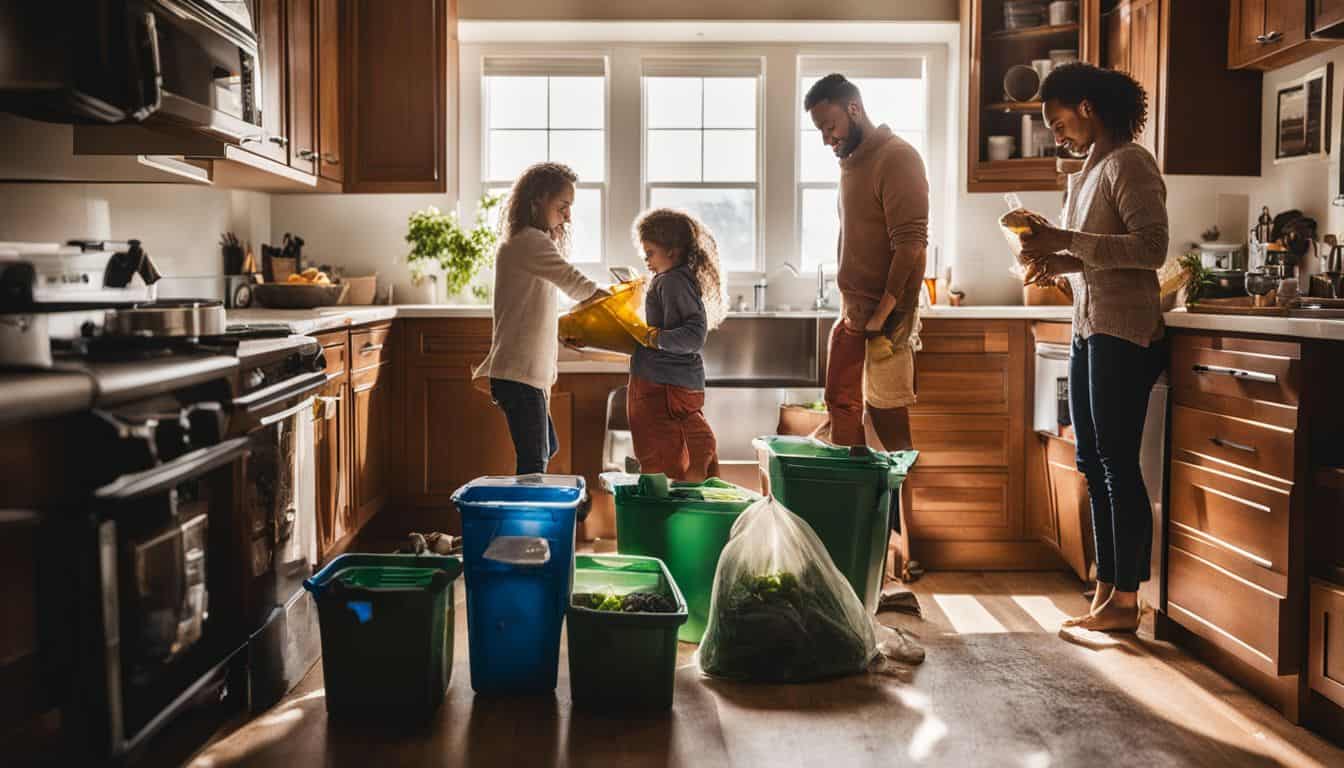
Domestic waste comes from households. Items like plastic rubbish, food scraps, and old newspapers fill our bins each week. Nearly one third of food produced for human consumption is lost or wasted. That equals 1.3 billion tonnes of food every year.
Simple habits can reduce this waste. Store and sort your food properly to keep it fresh longer. Freeze items you won’t eat soon to lower waste generation significantly. Recycling also helps by turning things like paper and plastic into new products instead of throwing them away.
Agricultural Waste

Farmers generate agricultural waste through crops and livestock. This includes plant stalks, husks, animal manure, and spoiled food.
Composting agricultural waste can reduce methane emissions and improve soil health. Farmers recycle plant material into compost to enrich their fields.
The circular economy and bioeconomy are vital to reducing global climate change impacts from agriculture practices.
Battery Waste
Battery waste also pose a big risk. Batteries contain heavy metals like lead, cadmium, and lithium. These materials can harm the environment.
In 2018, mass-produced lithium batteries created over 345,000 tons of waste but only 5% was recycled. Proper disposal is vital to prevent contamination in ground water and soil.
Electronic Waste
Electronic Waste (e-waste) is another growing concern. In 2022, the world generated 62 million tonnes of e-waste. Experts expect this to rise to 82 million tonnes by 2030.
Devices like phones, computers, and TVs contribute to waste accumulation when discarded improperly. Recycling these items helps recover valuable metals and reduces environmental degradation.
Construction Waste
Construction waste includes materials like bricks, concrete, wood, and plaster. It makes up more than 30% of the total solid waste worldwide. Landfills receive almost 70-80% of this waste.
Much of this can be recycled or reused to save resources. This reduces the environmental impact from wasting valuable materials. Builders can sort and recycle items like metals, plastics, and timber on-site with proper planning.
Environmental Impact of Different Waste Types

Organic waste, like food scraps, can release a lot of carbon dioxide when it rots. This adds extra greenhouse gases to the air. The Global Warming impact of avoidable food waste is between 2000 and 3600 kg CO2-eq per tonne.
Composting can help reduce this gas by turning the waste into soil instead.
Hazardous waste from batteries and electronics often contains mercury and other toxins. When not disposed of properly, these substances leak into the ground and water, causing serious damage to wildlife and humans.
Landfills contain some hazardous materials but burning or poorly managed disposal increases harmful toxin release.
Waste Classification Systems
In the UK, waste classification systems play a critical role in the efficient management and disposal of various types of waste. These systems categorize waste into distinct groups based on its characteristics, source, and potential environmental impact, enabling more targeted and effective handling processes.
The primary classifications include household (municipal) waste, commercial and industrial waste, construction and demolition waste, and agricultural waste. Within these broad categories, waste is further sorted into specific types such as recyclable materials, organic waste, hazardous waste, and inert materials. For example, household waste is typically divided into recyclables like paper, plastics, and glass; organic waste such as food scraps and garden clippings; and general waste that cannot be easily recycled.

In the commercial sector, businesses rely on detailed classification to separate trade waste into categories like packaging materials, electronic waste, and chemical by-products. The construction industry uses classifications to manage large volumes of inert waste, like concrete and bricks, separately from hazardous materials like asbestos. Hazardous waste, which poses a risk to health and the environment, is subject to stringent regulations and specialized handling procedures to ensure safe disposal.
The UK leverages systems such as the European Waste Catalogue (EWC) and the Waste Framework Directive, which provide standardized codes and guidelines to classify and manage waste streams. These systems not only facilitate compliance with environmental regulations but also promote recycling and resource recovery.
By ensuring that different types of waste are properly sorted and processed, classification systems help to reduce landfill usage, mitigate pollution, and support the transition to a circular economy where materials are reused and recycled more efficiently.
Waste Reduction and Management Strategies

Waste reduction helps keep our environment clean. It also saves resources. Here are some strategies:
- Reduce Usage: Use less of everything. Save paper by going digital. Use cloth bags instead of plastic ones.
- Composting Organic Waste: Turn food scraps and garden waste into compost. Use it to improve soil in gardens.
- Recycling Programmes: Collect and sort recyclable items like plastics, glass, and metal. Make sure they go to recycling centres.
- Hazardous Waste Disposal: Properly dispose of hazardous waste like batteries and chemicals. Follow local guidelines for safe handling.
- Water Treatment: Treat sewage sludge properly before releasing it into the environment. This reduces water pollution.
- Agricultural Practices: Farmers should use eco-friendly methods to reduce agricultural waste. Composting and crop rotation can help.
- Electronic Waste Recycling: Recycle old electronics at designated e-waste recycling centres.
- Construction and Demolition Waste Management: Reuse materials from construction sites whenever possible. Reduce the amount sent to landfill.
- Packaging Reduction: Choose products with minimal packaging. Support brands committed to reducing packaging waste.
These strategies can make a big difference in keeping our planet healthy and clean.
Importance of Reducing Waste

Reducing waste protects our environment. Less waste means fewer landfills, which helps wildlife and keeps our air clean. Businesses can help by recycling and reusing materials.
MSMEs (Micro, Small, Medium Enterprises) create lots of different kinds of waste. By separating and sorting rubbish, they make it easier to recycle. Composting organic waste turns scraps into useful soil.
Better waste management saves money for companies and homes. Recyclables like paper, metal, and plastic can be reused instead of thrown away. This cuts costs on new materials.
Toxic substances in hazardous waste harm both nature and people if not dealt with properly. Safe disposal prevents pollution in water sources.
Proper handling of electronic gadgets reduces harmful e-waste build up. Recycling electronics avoids toxic chemicals leaking into the ground.
Conclusion
The diverse waste types generated across various sectors in the UK underscore the complexity and importance of effective waste management practices. By understanding and categorizing waste into household, commercial, industrial, and construction types, the UK can implement more targeted and sustainable strategies.
Waste classification systems play a pivotal role in this process, ensuring that materials are sorted appropriately, recycled efficiently, and disposed of safely.
As we continue to face growing environmental challenges, the commitment to reducing waste, enhancing recycling efforts, and promoting a circular economy becomes ever more crucial.
Through the collaborative efforts of individuals, businesses, and government initiatives, the UK can lead the way in responsible waste management and set a benchmark for other nations to follow.
FAQs
1. What types of waste can be composted?
Composted waste includes food scraps, garden trimmings, and some paper products.
2. What is radioactive waste?
Radioactive waste comes from nuclear power plants and medical treatments. It remains hazardous for many years.
3. What is mining waste?
Mining waste results from extracting minerals from the earth. It includes rocks, dirt, and chemicals used in the process.
4. What kind of waste comes from refineries?
Refinery waste consists of by-products from processing oil or gas. This includes sludge, chemical residues, and wastewater.


