
In This Article
Plastic pollution is a pressing environmental issue, with 300 million tonnes of plastic waste produced annually. Understanding which plastics can be recycled is essential to reduce landfill waste. This guide provides 15 easy steps for recycling plastics at home.
Key Takeaways
- Recycling plastic at home is an effective way to reduce plastic waste and contribute to a more sustainable environment.
- Sorting recyclable plastics according to their resin type is crucial for proper recycling.
- Most widely recycled plastics at home are PET and HDPE, while PVC and polystyrene cannot be recycled this way.
- Consult local recycling guidelines for specific information on recycling LDPE, PP, and other types of plastics.
- Cleaning and preparing plastics for recycling is necessary before sending them to local recycling facilities.
Understanding the Types of Plastics That Can be Recycled
When it comes to plastic recycling, it’s important to know which types of plastics can be recycled and which ones cannot. This knowledge can help us make informed decisions about how we handle our plastic waste.
Two of the most widely recycled plastics are PET (polyethylene terephthalate) and HDPE (high-density polyethylene). PET is commonly used for water bottles, while HDPE is found in milk cartons.
These plastics can be recycled through various methods, reducing the amount of plastic waste ending up in our landfills.
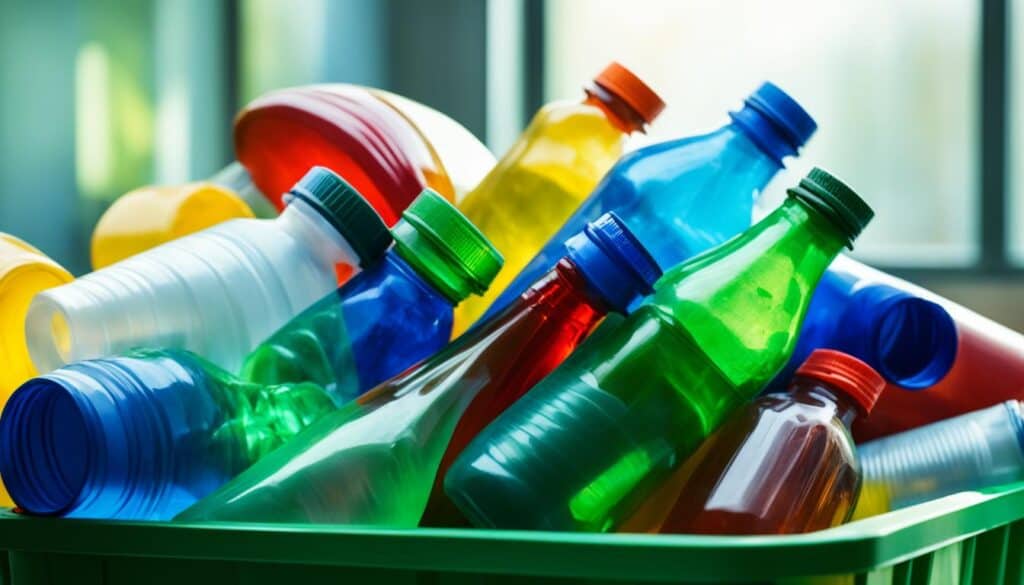
However, not all plastics are as easily recyclable. PVC (polyvinyl chloride) and polystyrene, for example, cannot be recycled at home. These plastics require specialized recycling processes that are not typically available in domestic recycling facilities.
On the other hand, LDPE (low-density polyethylene) and PP (polypropylene) can be recycled at local recycling facilities. These plastics are often used in packaging materials, such as plastic bags and yogurt containers. By taking these plastics to designated recycling drop-off points, we can ensure they are properly recycled and diverted from landfill.
In addition to these common plastic types, there is an “Other” category that includes plastics such as crisp packets. While not as widely recycled, some organizations and initiatives are working to develop recycling methods for these less common plastics.
It’s important to note that recycling guidelines can vary by location. Local regulations and recycling facilities may have specific requirements or limitations on certain plastics. Therefore, it’s always a good idea to check local recycling guidelines for the most accurate and up-to-date information.
The Most Widely Recycled Plastics:
| Plastic Type | Common Uses | Recycling Method |
|---|---|---|
| PET (polyethylene terephthalate) | Water bottles, food containers | Curbside recycling or drop-off |
| HDPE (high-density polyethylene) | Milk cartons, detergent bottles | Curbside recycling or drop-off |
Plastics That Require Specialized Recycling:
PVC (polyvinyl chloride) and polystyrene cannot be recycled at home. These plastics require specialized recycling processes that are not typically available in domestic recycling facilities.
Other Recyclable Plastics:
- LDPE (low-density polyethylene): Plastic bags, shrink wrap
- PP (polypropylene): Yogurt containers, bottle caps

By understanding the types of plastics that can be recycled, we can make more informed choices in our everyday lives. Recycling these plastics not only reduces the waste that goes into landfills, but it also helps conserve resources and protect the environment.

Click here to preview your posts with PRO themes ››
The Benefits and Importance of Recycling Plastics at Home
Recycling plastic at home has numerous benefits. It reduces plastic waste in landfills, conserves natural resources like oil and water, saves energy, and prevents harm to wildlife.
By recycling, you can contribute to a cleaner and more sustainable environment.
Recycling plastic at home plays a crucial role in achieving plastic recycling sustainability. As plastic waste continues to accumulate, recycling at home offers a convenient and eco-friendly solution.
By diverting plastic from landfills, we can alleviate the strain on the environment and reduce the need for new plastic production, which further reduces carbon emissions and conserves valuable resources.
One of the key advantages of recycling plastic at home is the ease and accessibility it offers. You don’t need specialized equipment or facilities to start recycling. With a few simple steps, you can contribute to the circular economy and make a positive impact on the planet.
By incorporating recycling into your daily routine, you can help create a sustainable future for generations to come.
Conservation of Natural Resources
In addition to reducing plastic waste, recycling plastics at home helps conserve natural resources. Plastics are typically made from non-renewable resources like petroleum, and by recycling, we can minimize the need for extracting and processing these limited resources.
This preservation of resources not only benefits the environment but also contributes to the long-term sustainability of various industries that rely on these resources.
Energy Savings and Carbon Footprint Reduction
Home plastic recycling also leads to significant energy savings. Manufacturing products from recycled plastics requires less energy compared to producing new plastic. By recycling at home, you are contributing to energy conservation and helping to reduce greenhouse gas emissions associated with plastic production.
Every effort counts in the fight against climate change, and recycling at home is a practical way to reduce your carbon footprint.
Protection of Wildlife
Recycling plastic at home is essential for the protection of wildlife. Improper disposal of plastic waste can harm marine life, birds, and other animals that may ingest or become entangled in plastic materials.
By opting for plastic recycling, you are helping to prevent these unfortunate incidents and ensuring the well-being of our ecosystems. It’s a small change that can have significant positive effects on the environment and wildlife habitats.
| Benefits of Recycling Plastics at Home | Explanation |
|---|---|
| Reduces plastic waste in landfills | By recycling plastics at home, less plastic ends up in overflowing landfills, reducing environmental pollution and the strain on waste management systems. |
| Conserves natural resources | Recycling plastic conserves non-renewable resources like oil, reduces the need for extraction, and mitigates the ecological impact of resource extraction. |
| Saves energy | Using recycled plastic to produce new products requires less energy compared to virgin plastic production, resulting in energy savings and reduced greenhouse gas emissions. |
| Prevents harm to wildlife | Properly recycling plastic at home helps protect wildlife from ingesting or becoming entangled in plastic waste. It contributes to the preservation of ecosystems and biodiversity. |
The Process of Recycling Plastics at Home
Recycling plastics at home is an effective way to contribute to a more sustainable environment. The process involves collecting and sorting recyclable plastics based on their resin type. Follow these home plastic recycling tips to ensure a smooth recycling process:
1. Collection and Sorting
Start by collecting plastic items that are labeled with a recycling symbol. These can include plastic bottles, containers, and packaging materials. Separate the plastics according to their resin type, which is usually indicated by a number inside the recycling symbol.

2. Cleaning and Preparation
Before recycling, it’s important to clean the plastics by removing any residual food or liquid. Rinse the items with water and use mild soap if necessary. Remove non-plastic components like caps, labels, and metal clips, as these can contaminate the recycling process.
Click here to preview your posts with PRO themes ››
3. Local Recycling Guidelines
Research local recycling programs and drop-off locations in your area. Each recycling facility or community may have specific guidelines for plastic recycling. Check their websites or contact them directly for information on accepted plastics, collection schedules, and any additional requirements.
| Resin Type | Description | Examples |
|---|---|---|
| PET (Polyethylene Terephthalate) | A transparent or clear plastic commonly used in beverage bottles and food containers. | Water bottles, salad dressing bottles, food trays |
| HDPE (High-Density Polyethylene) | A durable and versatile plastic used in milk jugs, detergent bottles, and shampoo bottles. | Milk bottles, laundry detergent bottles, shampoo bottles |
| LDPE (Low-Density Polyethylene) | A flexible and lightweight plastic often used in plastic bags and film packaging. | Carrier bags, plastic wrap, food storage bags |
| PP (Polypropylene) | A tough and heat-resistant plastic employed in yogurt containers, margarine tubs, and bottle caps. | Yogurt containers, margarine tubs, bottle caps |
4. Recycling Facilities
Once you have sorted and prepared the plastics, take them to local recycling facilities. These facilities have specialized machinery that melts and remoulds the plastics into new products. By recycling at these facilities, you contribute to the circular economy and reduce the demand for virgin plastic production.
“Recycling plastics at home not only helps reduce waste but also promotes a greener and cleaner future.” – Anonymous
Recycling plastics at home is a simple yet impactful way to minimize plastic pollution and conserve resources. By following these home plastic recycling tips and guidelines, you play a crucial role in building a sustainable future.
Conclusion
Recycling plastic at home is a straightforward and impactful way to reduce your carbon footprint and create a more sustainable future. By following the steps in this guide, you have the power to make a positive difference in the environment, inspiring others to follow suit.
Start your recycling journey today, turning plastic waste into a valuable resource. By properly sorting and preparing plastics, you can contribute to reducing landfill waste and conserving precious natural resources.
So, let’s take action now. Begin recycling plastics in your own home, setting an example for your family, friends, and community.
Together, we can create a cleaner, healthier, and more sustainable environment for ourselves and future generations.
Say goodbye to plastic waste and hello to a greener future!
FAQ
Can I recycle all types of plastics at home?
No, not all types of plastics can be recycled at home. The most widely recycled types of plastic are PET (polyethylene terephthalate) and HDPE (high-density polyethylene), while PVC (polyvinyl chloride) and polystyrene cannot be recycled at home.
LDPE (low-density polyethylene) and PP (polypropylene) can be recycled at local recycling facilities. Crisp packets fall under the “Other” category. It’s important to check local recycling guidelines for specific information.
What are the benefits of recycling plastics at home?
Recycling plastic at home has numerous benefits. It reduces plastic waste in landfills, conserves natural resources like oil and water, saves energy, and prevents harm to wildlife. By recycling, you can contribute to a cleaner and more sustainable environment.
How can I recycle plastics at home?
The process of recycling plastics at home involves collecting and sorting recyclable plastics according to their resin type. Plastics are then sent to recycling facilities where they are melted and remoulded into new products.
It’s important to clean and prepare plastics for recycling by removing any non-plastic components. Local recycling programs and drop-off locations should be consulted for specific guidelines.
How can recycling plastics at home help the environment?
Recycling plastic at home is a simple yet effective way to reduce your carbon footprint and contribute to a more sustainable future. By following the steps outlined in this guide, you can make a positive impact on the environment and set an example for others to follow.
Where can I find local recycling programs and drop-off locations?
Local recycling programs and drop-off locations can be found through your local council or waste management facilities. They will provide specific guidelines on what types of plastics can be recycled and how to prepare them for recycling.


